
Whoa! I know that sounds dramatic. But if you’ve been in DeFi long enough, you feel the adrenaline when a swap goes through—or the cold drop when somethin’ looks off. My first instincts were simple: convenience beats everything. Then reality bit. Seriously? Yeah. My instinct said “use a mobile wallet” but my day-to-day needed a browser extension for fast trades, many chains, and multiple accounts.
Initially I thought browser wallets were just for quick token checks. Actually, wait—let me rephrase that. At first I treated them like a UI for my keys. That was naive. On one hand they’re insanely convenient; on the other hand a wrong RPC or a permissive dApp can drain funds in minutes. On the bright side, with a few guardrails and the right tools you can keep speed without giving up safety. This is my playbook—practical, opinionated, and US-centric (read: lots of coffee, late-night trades, and a bias toward tools that don’t make me panic).
Here’s what bugs me about many how-to guides: they gloss over the emotional math. You don’t just lose money. You lose trust. And rebuilding trust takes time. So, this piece focuses on the mental model and the checklist I use every day. Some of it is muscle memory now. Some of it came from mistakes—yep, a couple of those. I won’t pretend I’m perfect. But I will walk you through what worked, why it worked, and how to get set up without feeling like you’re about to jump off a cliff.
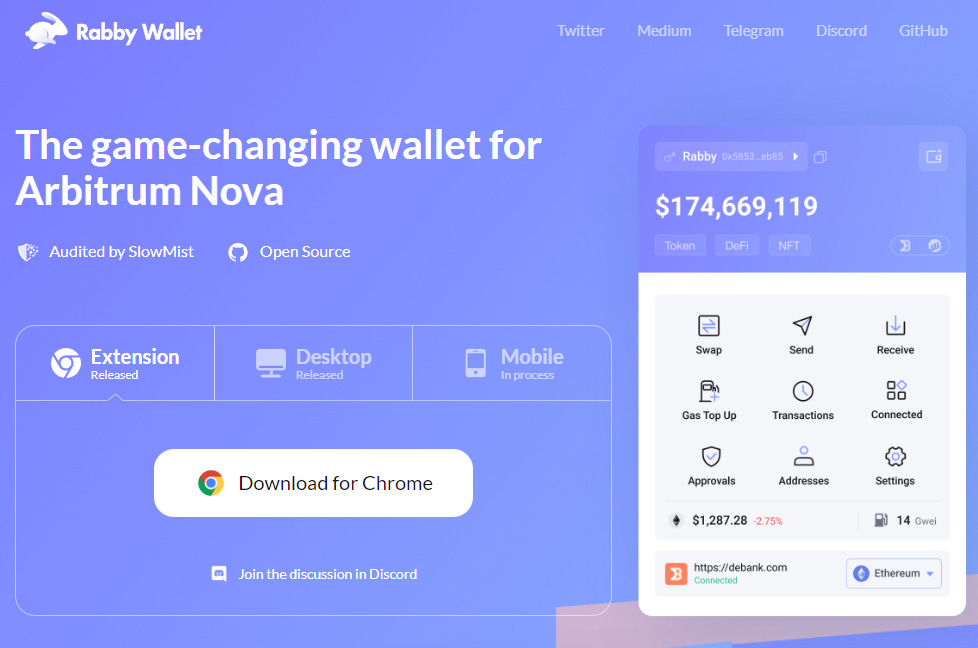
Browser Extension Wallets: Quick wins, real risks
Browser extensions are speed-machines. They let you approve trades in seconds, sign messages, and switch networks without leaving your browser. Fast is great when market windows open. Fast is terrible when you’re not paying attention. Hmm… I learned that the hard way.
Core risk vectors are predictable. Phishing sites mimic dApps. Rogue RPCs show wrong balances. Overly broad contract approvals give unlimited allowances. On chain, approvals are effectively standing checks. If you let them go unmanaged, someone can drain approved tokens. My rule: treat every approval like a signed check to a stranger. Tighten limits. Revoke often.
Okay, so check this out—wallets that add usability features like “batch revoke” or “approve once” are lifesavers. If your extension offers heuristics to detect suspicious approvals, use them. If not, get into the habit of reviewing your allowances monthly. Seriously, two minutes a month can save a lot of headache.
Practical setup: How I configure a multi-chain extension wallet
Step one: isolate accounts by purpose. Short sentence. Use one account for active trades and another cold-ish account for long-term holds. For institutional or high-value setups, use a hardware wallet for the treasury account. On the desktop, link the hardware to the extension so signing still feels native—no clunky switching.
Step two: RPC hygiene. Don’t blindly add custom RPCs you find on forums. If a dApp asks you to switch networks, pause. Verify endpoints from official docs or chain explorers. If you must add a custom RPC, label it clearly—”SushiTest,” “MyDevRPC,” whatever. My mental trick: any RPC I added less than 24 hours ago goes into a “verify later” bucket. On one hand it speeds testing. On the other, it’s a temporary trust decision.
Step three: approvals and spending limits. Most extension wallets let you set “allowance” amounts instead of unlimited approvals. Choose the smallest useful amount. If you’re doing repeated small trades, you may want recurring allowances, but still keep them conservative. Check token approvals with on-chain scanners or the wallet’s built-in tools, and revoke permissions you don’t use.
Step four: network switching and gas. For multi-chain operations, make sure your extension shows which network is active in a very visible place—preferably with color or an icon. If you swap from Ethereum to Arbitrum or BSC, confirm the token ticker and the chain. Double-check gas estimates because a failed tx can mean MEV or unexpected reorgs depending on network conditions.
Why I like Rabby for multi-chain work (and how I set it up)
I’ll be honest: I’m biased toward wallets that think like traders. Rabby gives me fast approvals, visual cues on contracts, and multi-account flows that don’t feel tacked-on. My workflow needed something that wouldn’t slow down execution but would give me control. Rabby fit that slot. If you want to try it, here’s a straightforward place to get started: rabby wallet download.
Installation tips: install from the official source and verify extension signatures where possible. After installation, import or create accounts, and immediately set up a hardware wallet connector for your cold account. Create a clear naming scheme for accounts—”spot-trades,” “staking,” “vault”—so you don’t click the wrong one at 2 AM. Also enable any privacy features the extension offers; sometimes they help reduce phishing surface area.
Rabby’s contract safety features are useful—highlighted source info, approval warnings, that sort of thing. But tool features are not substitutes for discipline. Use these cues to teach your reflexes. If Rabby flags a suspicious approval, stop. If a dApp tries to switch you to an RPC you don’t recognize, refuse until verified. Your gut will pick up patterns; trust it, then verify.
Advanced tips: automation, hardware integration, and approvals
Automate small checks. I use small scripts and on-chain explorers to monitor allowances and big token movements. This is optional. But when I saw a pattern of micro-drains (oh, and by the way…), automation alerted me before the issue became catastrophic. If you’re not coding, set up alerting on token transfers for your major addresses with free services.
Hardware integration is underrated. For large balances, the UX of a hardware-signed extension is the best compromise between security and convenience. The signing experience is slightly slower, sure, but it stops automated phishing from executing because the key is never exposed. For trades under a threshold, use a hot account. For legacy assets or large positions, use the hardware-backed account.
Another note about approvals: use “permit” flow when available. The permit standard lets dApps request signatures that avoid explicit ERC-20 approvals and reduce allowance exposure. Not every token supports permit, but when it does, it’s cleaner. Also regularly clear RPCs you no longer use. Old RPCs can be hijacked or misconfigured over time.
Common questions I get asked
Is a browser extension wallet safe for serious DeFi?
Short answer: yes, when configured properly. Long answer: the level of safety depends on how you use it. Isolation (account separation), hardware integration for high-value accounts, conservative approvals, RPC verification, and frequent allowance audits make browser extensions viable for serious DeFi work. On one hand they’re a single point of failure; on the other, they are the practical tool for many traders. Balance matters.
How often should I check approvals?
Monthly at minimum. Weekly if you trade often. Immediately if you connect to a new or experimental dApp. My own cadence is: quick weekly scan for active accounts, deeper monthly review for allowances, and alert-driven checks for any suspicious movement.
What if I think my wallet was compromised?
Act fast. Move remaining funds to a new address with a hardware-backed key. Revoke approvals from the compromised account (some services let you do this without the key). And change passwords/emails connected to any services that might be involved—though note the wallet’s private key is the critical piece, not your email. Oh, and document what happened; mistakes help you learn faster.
Alright, wrapping this up with some honesty. I still make small mistakes. Sometimes I click too fast. Sometimes I forget a revoke. Those moments are humbling and they teach patterns—like which dApps are safe, which RPCs are flaky, and which approvals I should never accept. My feelings about extension wallets have evolved from naive trust to cautious respect.
My final piece of advice: build habits that make security automatic. Short routines, like a quick approval sweep before Friday trades and hardware-checks once a month, become invisible over time. And if something ever feels off, pause. Your gut is part of your security stack. Use it.