
Whoa, this surprised me.
I found an NFC crypto card and my first reaction was curiosity mixed with skepticism. Seriously, somethin’ about a metal card that holds keys feels like sci-fi. Initially I thought it would be gimmicky and fragile, but after paging through features and actually using one for a few weeks I started to see the use cases that matter for real people who want simple cold storage. My instinct said trust cautiously, not blindly, and that gut turned into detailed questions the more I tested.
Really, this one matters.
Card-based hardware wallets change the conversation about custody because they shrink a ledger into something your wallet can hold. They’re not for everyone though; people who trade every hour probably won’t benefit as much. On one hand the UX is delightful and unobtrusive, though actually the security model is subtly different from the typical seed phrase mindset. Initially I assumed seed phrases were the only full-proof cold storage, but then realized cards solve practical problems that seeds ignore.
Hmm… here’s the thing.
Picture this: you want to split access across family members, or you need a backup you can stash behind a picture frame—cards make that practical. My neighbor laughed when I showed him an NFC wallet card; two days later he asked how to get one, true story. I’ll be honest—there’s a tactile satisfaction handing someone a metal card that contains an address, it feels modern and old-school at once. There are trade-offs, though: redundancy, tamper evidence, and recovery paths matter more when the key is physically small and portable.
Whoa, not kidding.
The threat model shifts with an NFC card because attackers who want your funds now need physical proximity or a way to read the card, and the card’s firmware. That’s huge—remote phishing and browser malware suddenly look less useful against you. But okay, wait—let me rephrase that: some attacks are still possible if you pair the card with a compromised host, so you can’t be carefree. On the flip side, cards that implement true secure elements and do signing on-device reduce the attack surface dramatically, and that’s very very important.
Seriously?
Yes. There are practical hurdles too: not all phones support NFC well, and some older devices play badly with secure-card protocols. I ran into this with a cheap Android phone; it wouldn’t reliably pair until I toggled settings and rebooted—which annoyed me. If you’re buying for your parents, test compatibility first. Also, backup procedures differ: you may need to create multiple cards or export an encrypted seed, depending on the vendor.
Whoa—check this out.
The look of the thing matters in adoption; people are likelier to use hardware that doesn’t scream “lab experiment.” I prefer understated, durable designs that survive a pocket with keys. Okay, so check this out—some vendors provide personalization, tamper stickers, and plating options that are actually useful for tamper evidence, rather than fluff. That matters when you’re carrying cold storage next to your ID and credit cards.
Real-world testing and the tangibles
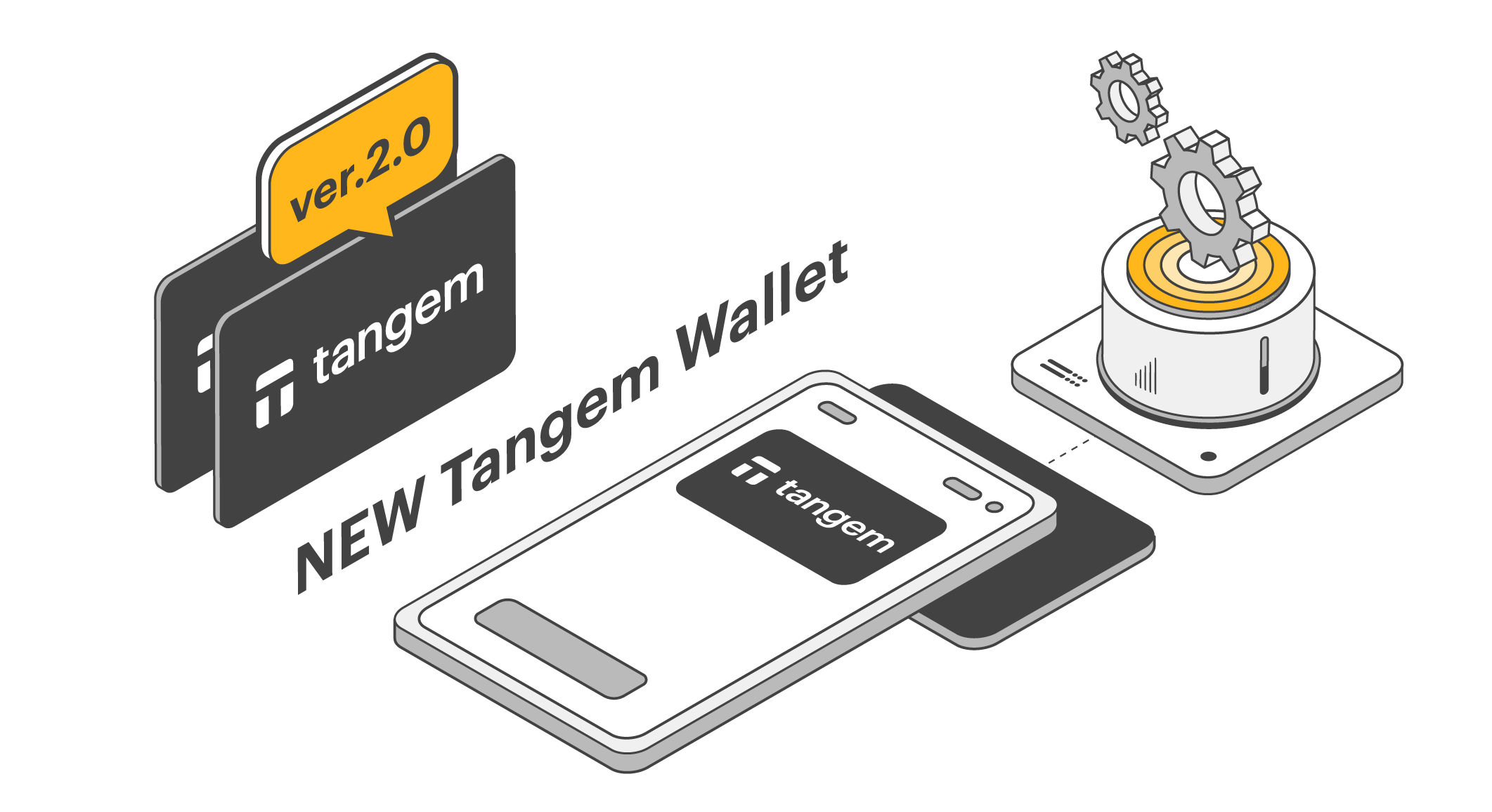
I tested a few card models and one stood out for me: it balanced security, convenience, and clear recovery options without burying users in jargon. My hands-on notes covered the onboarding flow, NFC pairing quirks, signing latency, and the vendor’s documentation clarity. I embedded the vendor’s companion app into my workflow, and after a few months the simplicity saved time and headspace during transactions. If you want to see a user-friendly implementation, check out tangem wallet—they’ve focused on making card ownership approachable while retaining strong on-device security.
Whoa, small aside…
I’m biased, but I value UX that doesn’t sacrifice crypto fundamentals; the cards I kept testing used secure elements and didn’t leak private keys to hosts. There’s a comfort in the cold-storage handshake: tap, sign, confirm on-card, done. However, somethin’ still bugs me—vendor lock-in can be real when cards use proprietary backup formats. Double check recovery compatibility if long-term portability matters to you.
Hmm—let me walk through the logic.
First, decide your threat model: theft, remote hacks, coercion, or loss all require different mitigations. Then pick a card whose security primitives match that model—secure element, on-card PIN, tamper sensors, and documented recovery. Initially I thought more features meant better security, but I learned that’s not always true; complexity can introduce human error. For example, elaborate passphrase schemes look strong on paper yet confuse people during recovery, leading to catastrophic loss.
Whoa, not overhyped.
Another practical point: resilience. Metal cards survive grease, folding, and a surprising number of laundering cycles—been there, learned that the hard way. Some cards are waterproof and rate their durability, which is helpful for real-life carry. Bear in mind, though, that durability doesn’t replace a good backup; two independent cards or a well-protected seed backup is wiser than relying on a single object.
Really, quick checklist time.
Make sure the card supports your coins and signing standards, verify the firmware is auditable or from a reputable source, and test recovery steps before sending significant funds. Onboarding should be performed in a calm setting—don’t create your only backup at a noisy coffee shop. Also, practice restores on a low-value account so you know the steps without pressure.
Whoa—contradiction incoming.
On one hand, cards reduce remote attack risk; on the other, they introduce physically constrained failure modes like loss or targeted theft. I know that sounds obvious, but it’s easy to fall in love with one advantage and ignore the other. Actually, wait—let me rephrase that: treat an NFC card as a tool in a broader custody strategy, not as an absolute final answer. Cold storage is a spectrum, and where the card sits depends on your habits, devices, and willingness to manage backups.
Hmm, a closing thought—
After months of testing, I ended up relying on a dual approach: one card for daily cold transactions and a geographically separate backup for disasters. That system fit my lifestyle without forcing me into paranoia or inconvenient rituals. I’m not 100% sure there’s a one-size-fits-all recommendation, but for many U.S.-based users who want simplicity without huge trade-offs, card-based NFC wallets are worth serious consideration. If you decide to try one, test the UX, confirm recovery, and keep a backup—sound advice, even if it sounds boring.
FAQ
Are NFC crypto cards as secure as hardware wallets with seed phrases?
They can be. Security depends on the card’s secure element, signing design, and recovery options. A well-implemented card that signs on-device and never exposes keys is comparable to traditional hardware wallets, though the recovery model may differ. Use multiple backups to mitigate physical loss.
What happens if I lose my NFC card?
Recovery varies by vendor—some let you create multiple cards or export an encrypted seed-like backup. If you’ve followed the recommended backup steps you can restore access; if not, lost cards can mean lost funds, which is why testing recovery is crucial.
Who should consider an NFC crypto card?
People who value portability, simplicity, and low remote-attack surfaces—think travelers, small-business owners, and casual hodlers who want cold storage without complex paper seed management. It’s less ideal for high-frequency traders or folks unwilling to manage backups.