Thu bằng giá bán
Điểm khác biệt cốt lõi của TAM300 là thu máy ngoài bằng đúng giá bán của dòng đó, khách chỉ bù chênh lệch 2 đời máy cùng phí dịch vụ 300k đến 500k.


Tại sao chọn TAM300
Lợi thế của TAM300 không nằm ở câu chữ chung chung mà nằm ở chính sách rất cụ thể, đủ mạnh để khách hiểu ngay vì sao nên chốt mua hoặc đổi máy tại đây.
Điểm khác biệt cốt lõi của TAM300 là thu máy ngoài bằng đúng giá bán của dòng đó, khách chỉ bù chênh lệch 2 đời máy cùng phí dịch vụ 300k đến 500k.
Lỗi phần cứng được đổi đúng phân loại máy: newseal đổi newseal, new trần đổi new trần, likenew đổi likenew, sạc ít đổi sạc ít.
Máy mua tại TAM300 còn bảo hành có thể lên đời với phí rất thấp và được reset lại bảo hành 1 năm như máy mới giao dịch.
Danh mục nổi bật
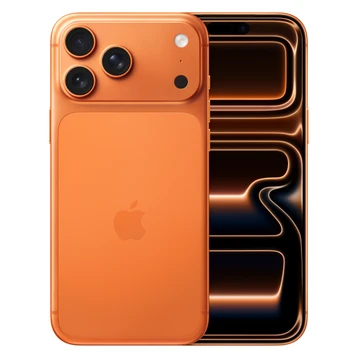
Bảng giá hiện tại đang có iPhone 17 Pro Max newseal bản VNA theo từng màu thực tế.
Xem danh sách sản phẩm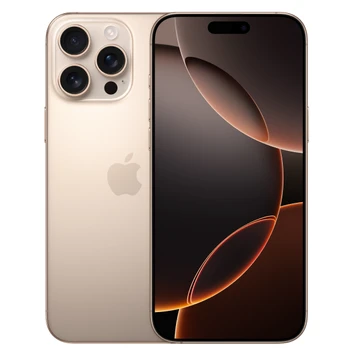
Bao gồm máy LLA đã kích hoạt, new trần và newseal VNA theo từng model đang có trong file giá.
Xem danh sách sản phẩm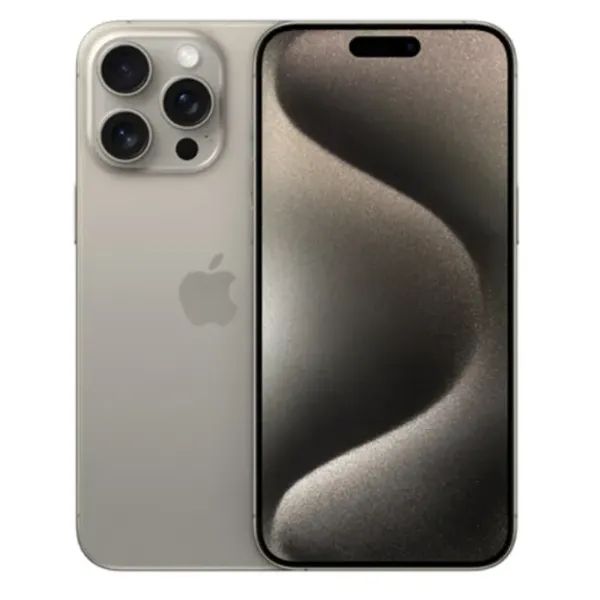
Đầy đủ 15, 15 Plus, 15 Pro và 15 Pro Max theo bảng giá LLA cập nhật.
Xem danh sách sản phẩm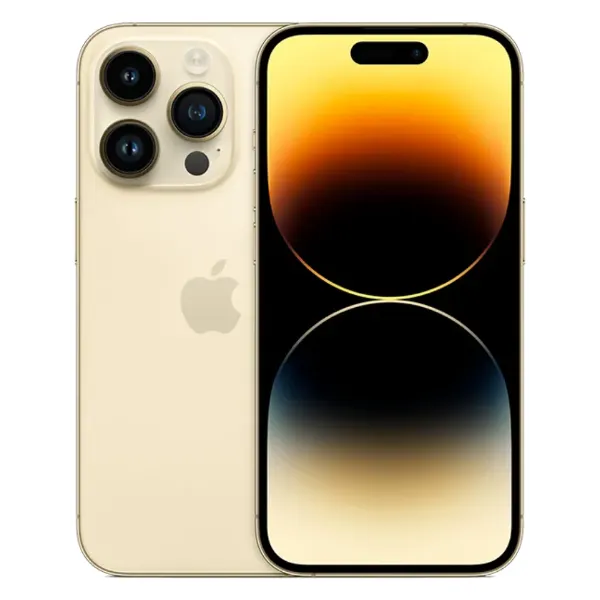
Có iPhone 14, 14 Plus, 14 Pro và 14 Pro Max theo bảng giá LLA cập nhật.
Xem danh sách sản phẩm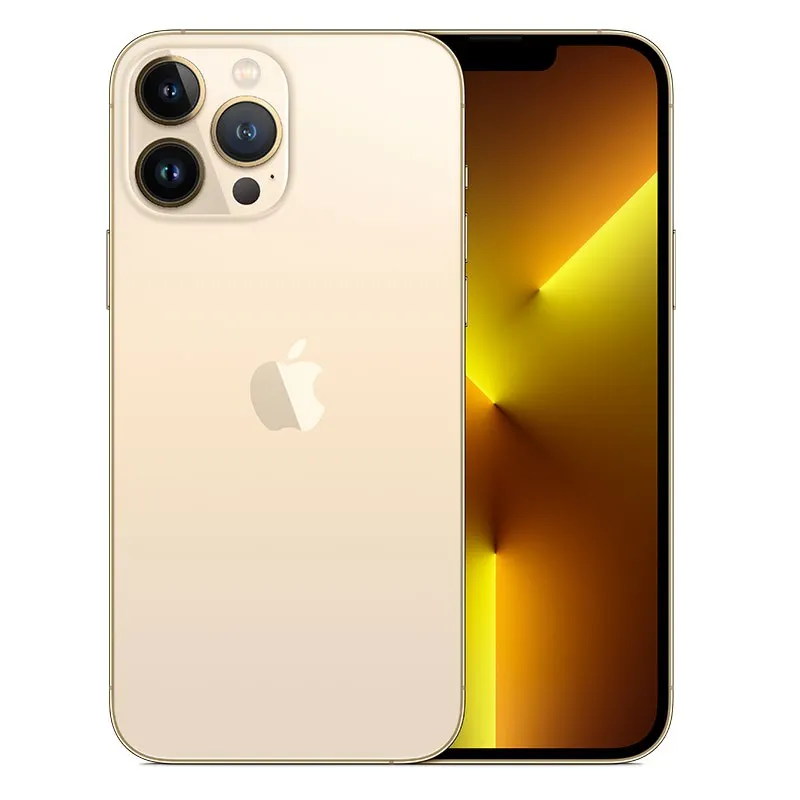
File giá hiện có iPhone 13 thường với bảng màu và giá theo 128GB, 256GB.
Xem danh sách sản phẩm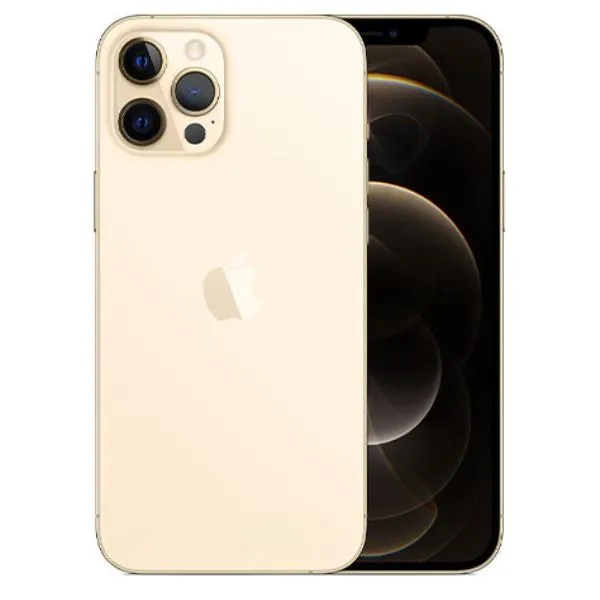
Có iPhone 12, 12 Pro và 12 Pro Max theo bảng giá hiện tại.
Xem danh sách sản phẩm
Có iPhone 11, 11 Pro và 11 Pro Max với giá cập nhật theo từng dung lượng.
Xem danh sách sản phẩm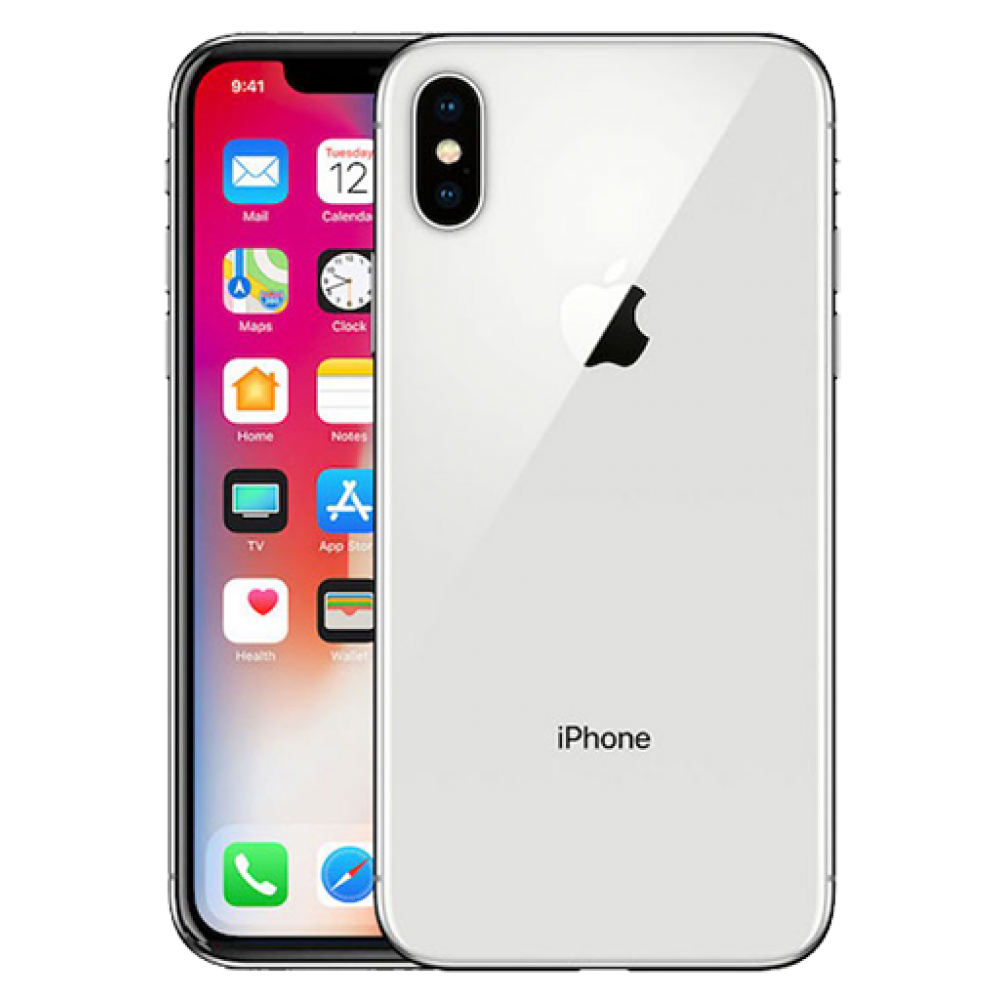
File giá hiện có iPhone XS và XS Max theo hai mức dung lượng phổ biến.
Xem danh sách sản phẩmPhụ kiện đi kèm
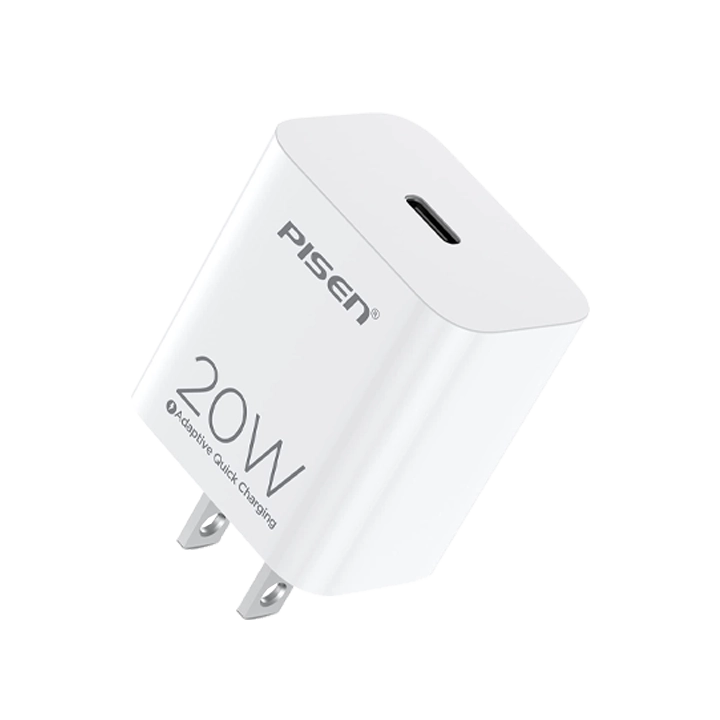
Củ sạc, cốc sạc và bộ sạc tối ưu cho iPhone
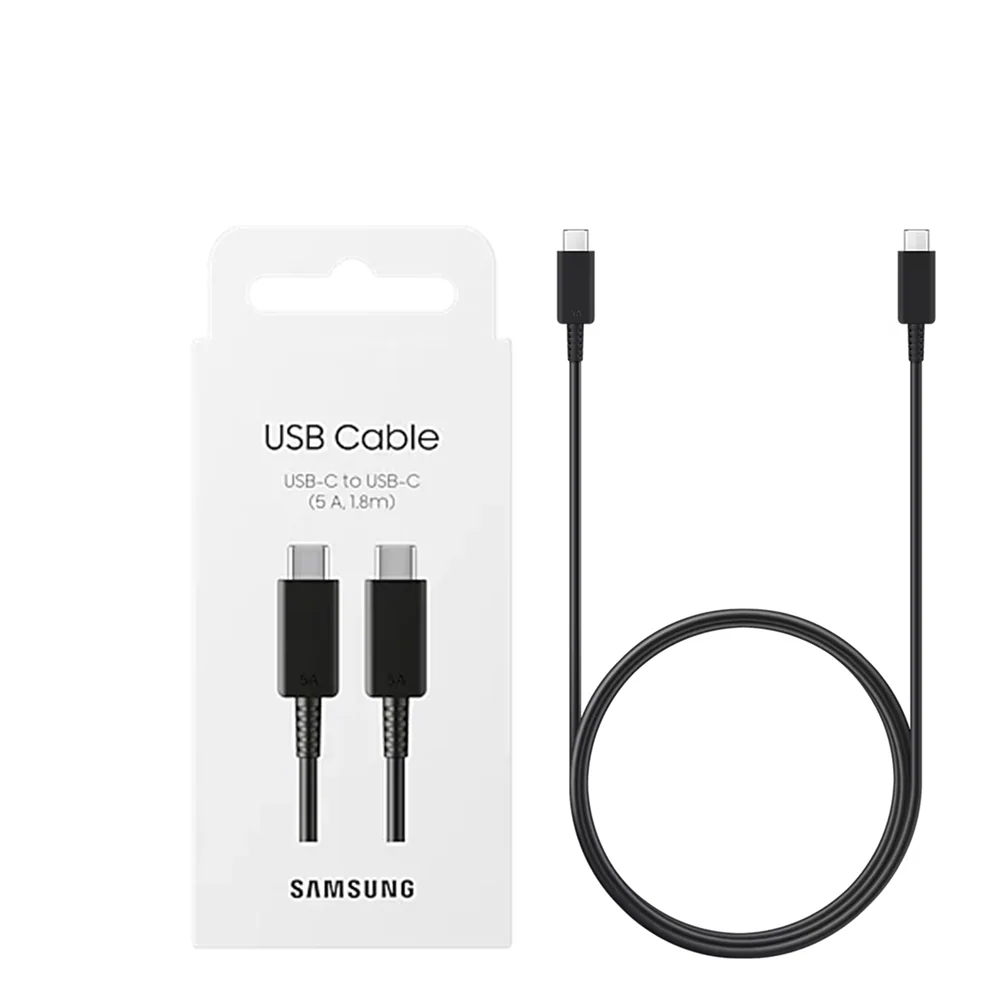
Cáp bền, vào pin ổn và dùng cho nhiều tình huống
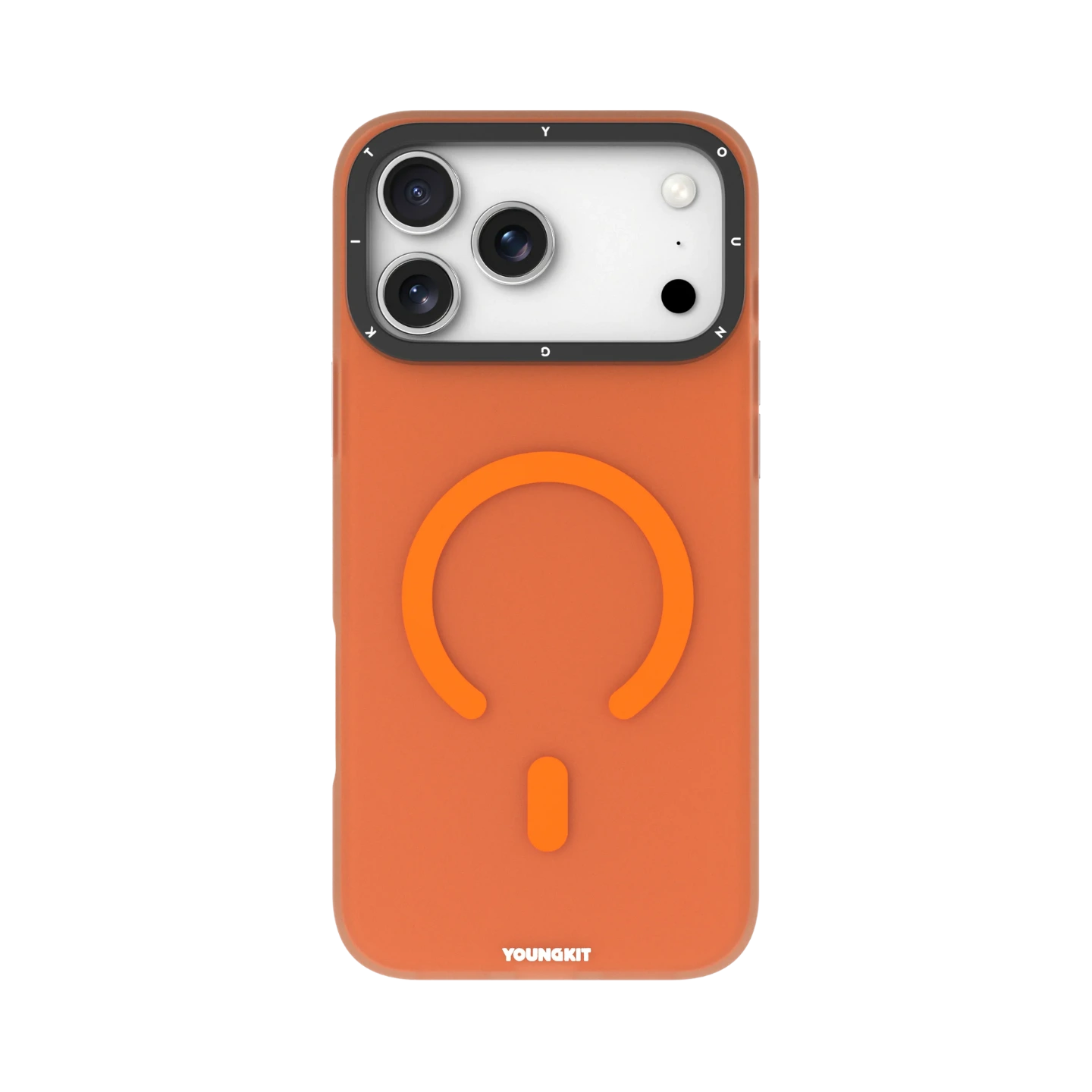
Nhiều form ốp lưng từ trong suốt đến chống sốc
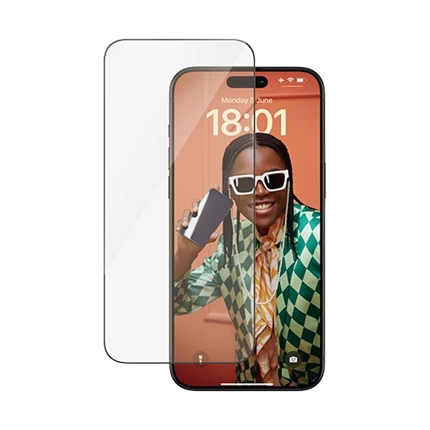
Bảo vệ màn hình, dễ dán và dễ thay khi cần
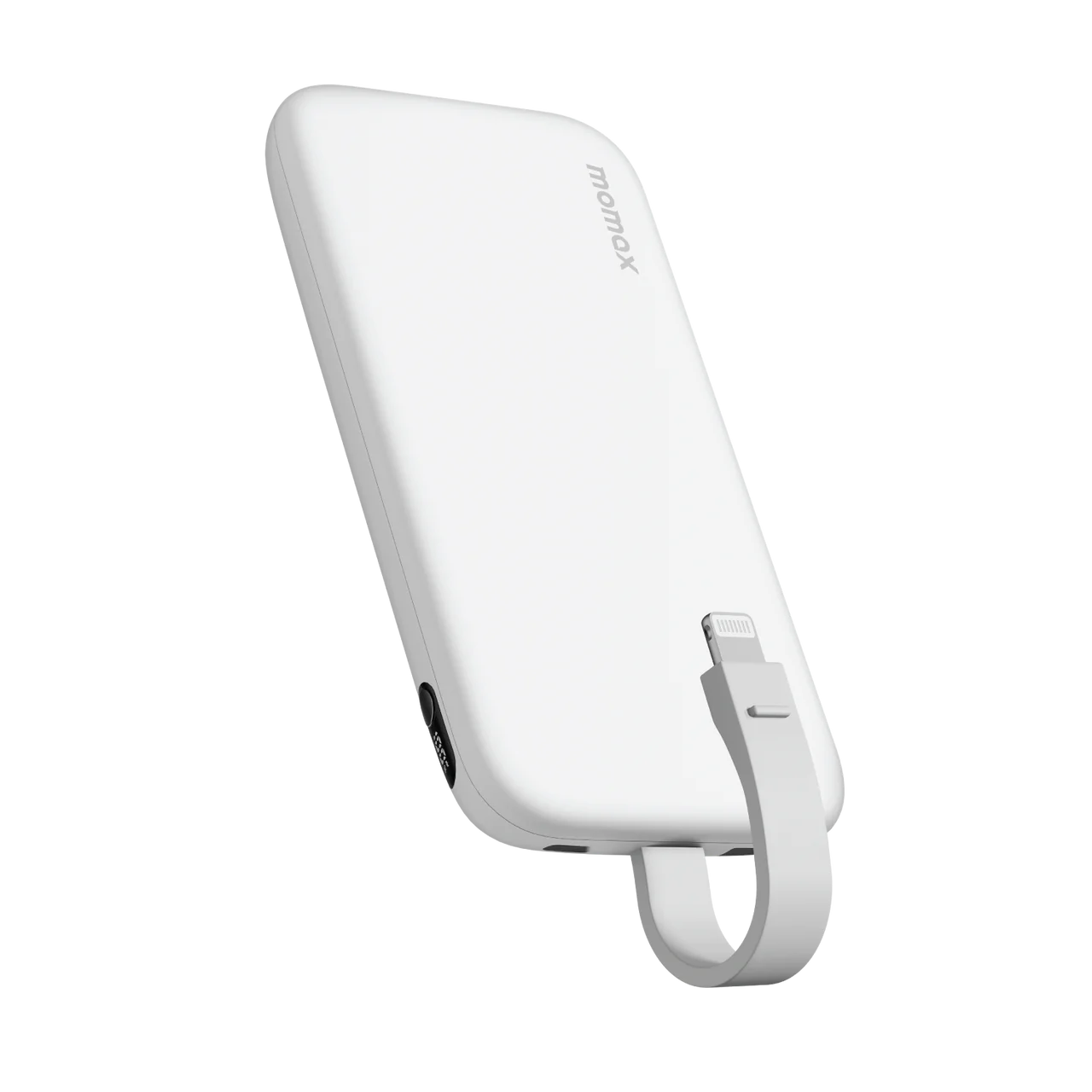
Pin dự phòng gọn gàng để mang theo và sạc nhanh
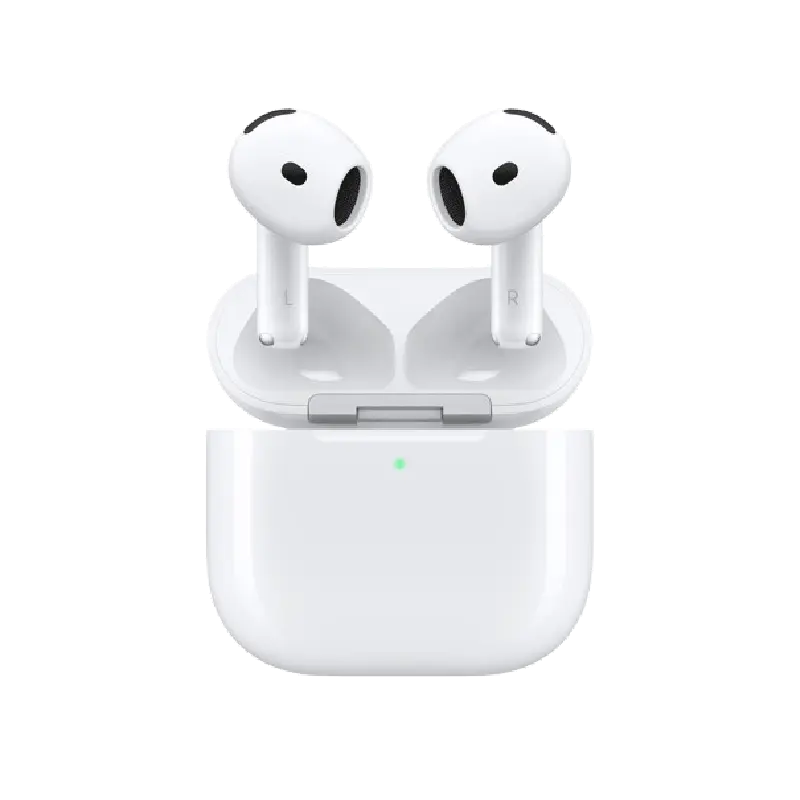
Gồm tai nghe, bộ chia cổng và phụ kiện hỗ trợ làm việc
Chính sách nổi bật
Newseal đổi newseal, new trần đổi new trần, likenew đổi likenew, sạc ít đổi sạc ít. Chính sách không nhập nhằng phân loại khi bảo hành.
Hoàn lại 100% tiền máy, 100% tiền gói bảo hành và 100% tiền gói bảo hiểm nếu giao dịch đó có mua thêm bảo hiểm.
Máy TAM300 còn bảo hành dùng 6 tháng lên đời chỉ 150k đến 250k; dùng 1 năm lên đời chỉ 300k đến 500k và được reset bảo hành 1 năm.
Quy trình thu máy
Gửi ảnh máy hoặc mang trực tiếp đến cửa hàng để kiểm tra ngoại hình, pin, Face ID, camera và tài khoản iCloud.
Nhận báo giá công khai theo tình trạng thực tế, không báo cao rồi ép giá khi đến nơi.
Nếu đồng ý, cửa hàng hỗ trợ sao lưu cơ bản, đăng xuất thiết bị và thanh toán nhanh gọn.
Cam kết dịch vụ
Bảo hành 1 đổi 1 tất cả lỗi phần cứng, đúng chuẩn phân loại máy khách đã mua.
Nếu không có máy tương đương để đổi, hoàn đủ 100% tiền máy, 100% gói bảo hành và 100% gói bảo hiểm nếu có.
Rơi vỡ, cấn móp, vào nước được sửa miễn phí; riêng màn hình trợ giá 50%, hư nặng trợ giá 50% khi lên máy mới ngang dòng.
Trade-in máy ngoài thu bằng giá bán, chỉ bù chênh lệch đời máy và phí dịch vụ để nhân viên xử lý trọn gói.
Sẵn sàng lên đời iPhone
TAM300 tập trung vào trải nghiệm thực tế: thu bằng giá bán, bảo hành 1 đổi 1 lỗi phần cứng, hỗ trợ rơi vỡ vào nước và lên đời máy với chi phí rất nhẹ cho khách đang dùng máy tại cửa hàng.