
Whoa! I clicked into a Solana dapp the other day and felt a little jolt. It was fast. Really fast. My first impression was: this is how crypto should feel when it works right — quick, clean, almost invisible. But there was friction too, and that stuck with me.
Here’s the thing. Desktop extensions are great, and mobile apps are handy, though actually, wait—let me rephrase that: browser wallets open a different door. You don’t have to install an extension or dig through settings to connect. That convenience is huge for newcomers, and for frequent users it changes workflow and expectations. On the other hand, convenience raises questions about security and UX trade-offs.
Seriously? Yes, seriously. My gut said: browsers are attack surfaces. Initially I thought local storages were fine, but then I realized session-based flows and ephemeral keys can be smarter in practice. On one hand browser-native experiences can lower the barrier to entry for dapps. Though actually the devil’s in the details — permissions, origin checks, and signing prompts matter.
Okay, so check this out—if you want to try a web-first Phantom experience, the easiest way is to use a hosted web wallet that imitates the extension flow, which is what some projects provide. I’m biased toward smooth onboarding, and the phantom wallet web gateway nails that first step for many users. It feels like clicking into an app without installing anything. That said, be cautious — verify the URL, and don’t reuse seed phrases across multiple providers.
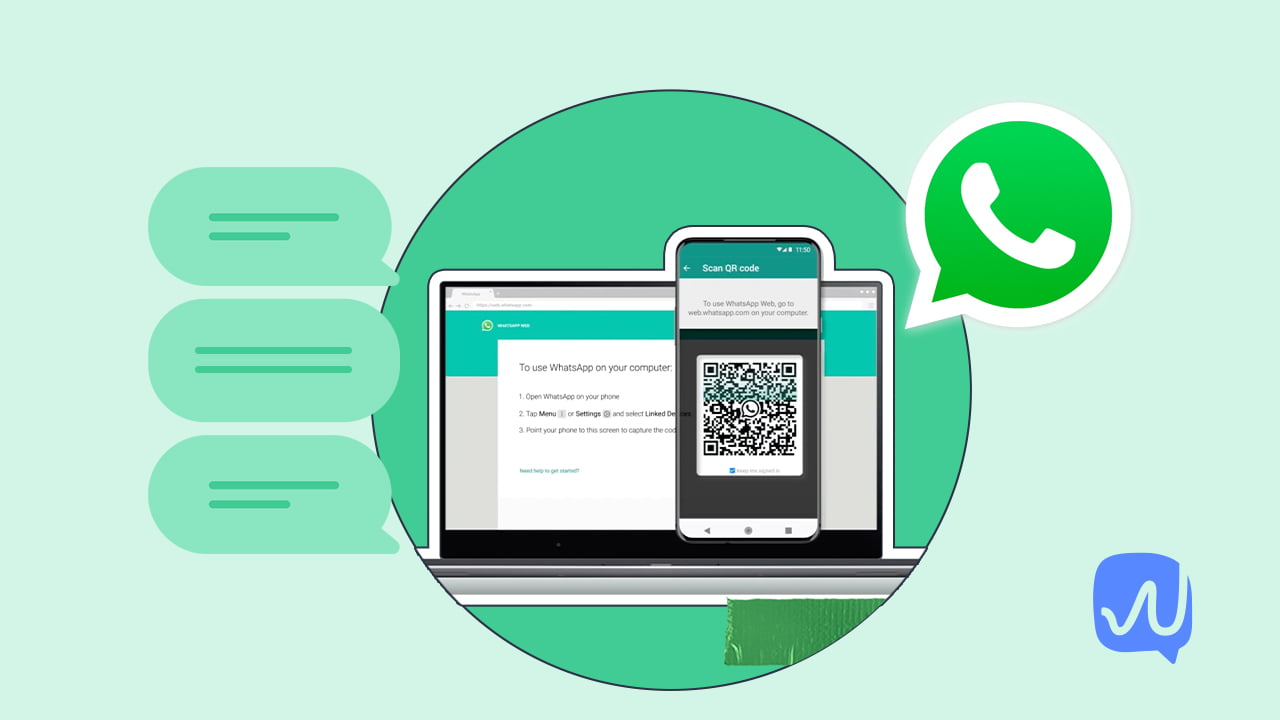
How the Web Version Changes Interaction with Solana Dapps
Short answer: it reduces friction. Longer answer: it flips the onboarding funnel. Instead of asking users to download an extension and import a key, a web flow lets them create a wallet, backup a seed, and connect in a minute. That reduces drop-off materially for consumer-facing dapps. But there are nuances — session management, reconnection, and guardrails against malicious sites become critical.
Think of it like this: for new users the biggest hurdle is mental overhead. They worry about seed phrases, about whether they’re clicking the “right” wallet, and about gas fees. Web wallets can walk them through each step. My instinct said that the tradeoff is more centralized infrastructure, but then I remembered you can architect a web wallet to be non-custodial and ephemeral. It’s not all-or-nothing.
On the developer side, integration is simpler. You can detect a web wallet via window objects or standard adapters and then prompt the user. Many Solana dapps already support the Wallet Adapter protocol, and web wallets typically implement that. This compatibility layer makes launching a new front-end faster, which is very nice when you want to iterate quickly. Still, test across browsers; behavior can differ on Chromium-based vs Safari builds.
Here’s what bugs me about some web wallet UX: they sometimes hide signing details or use vague prompts. That undermines trust. Users should see exactly what they’re approving. A plain summary of the transaction, the fee, and the receiving program matters. A small, clear step beats a flashy animation that hides the permission scope.
Security Practices I Actually Follow
Don’t hand your seed to anyone. Period. Short sentence, big rule. Use hardware wallets for significant holdings. Use a web wallet for small, active balances and for convenience. For example, I keep a hot web wallet for day-to-day interactions and move larger sums to a Ledger that I connect when I need to sign high-value transactions.
Initially I thought a web wallet meant you were automatically exposed, though then I dug in and found patterns that mitigate risk: ephemeral keys, explicit user prompts, and origin binding. If a provider rotates keys frequently and prompts for reconfirmation across sensitive actions, that raises the safety bar. On the other hand, if a web wallet stores long-term keys in plain local storage, that’s a red flag. So check the architecture or the docs when you can.
My practical checklist: verify URL every time, enable any available passphrase locks, prefer hardware key signing for staking or large transfers, and keep your browser updated. Also, avoid public Wi‑Fi for signing operations unless you have a solid VPN. I’m not 100% sure VPN solves everything, but it adds a layer I like.
Staking SOL via a Web Wallet — What to Expect
Staking through a web wallet is straightforward. You select an amount, choose a validator, and confirm. The network handles the delegation and you earn rewards passively. That’s the simple flow, and it works well for most users.
However, the deeper nuance: rewards are compounded but unstake delays exist. For SOL it takes some epochs to deactivate stakes, which new users find surprising. My advice: treat staked SOL as medium-term savings. Don’t stake everything if you anticipate moving funds quickly. Also, validators differ in commission and reliability — look for uptime stats and reputational signals. And yeah, there are scams that mimic validator names; double-check the identity.
When using a web wallet for staking, check that the wallet provides clear delegation details and shows validator metadata. Ideally, the web UI should warn about high-commission validators and surface historical performance. If it doesn’t, that’s a missing feature and I personally avoid delegating there until it does better. Little things like this matter more than we often admit.
Connecting to dapps Safely
First rule: read the permission prompt. Seriously, read it. Second rule: limit approvals to strictly necessary actions. Third rule: revoke approvals when you’re done. You can do that from wallet settings or on-chain governance views depending on the wallet.
On one hand, approving a dapp to view your public key is harmless. On the other hand, blanket approvals to sign arbitrary transactions are risky. Treat approvals like you treat app permissions on your phone. If an app asks to spend tokens, pause. If an interaction smells off, close the tab and re-open from a verified link. My instinct has saved me from at least a couple of sketchy airdrop traps.
For devs: implement a clear confirm flow and surface transaction calldata in human-friendly terms. For users: use the wallet’s transaction inspector if it has one. If you don’t know what a program ID does, google it or ask in the project’s community. (Oh, and by the way… community channels are helpful, but vet them — scammers create fake channels all the time.)
FAQ — Quick Practical Answers
Can I use a web Phantom wallet securely?
Yes, for daily use and small balances. Verify the site URL, enable any built-in locks, and consider hardware signing for larger stakes. Treat it as a convenience layer, not a replacement for cold storage.
Is staking via web wallet different from staking via extension?
The core staking mechanics are the same on-chain. The difference is UX and key handling. Make sure the wallet displays validator info and shows the unbonding period; otherwise, you might be surprised when trying to move funds quickly.
What should I do if a dapp asks for broad signing permissions?
Decline until you confirm necessity. Revoke permissions afterward. If something seems off, consult community resources or use a fresh ephemeral wallet with minimal funds.